


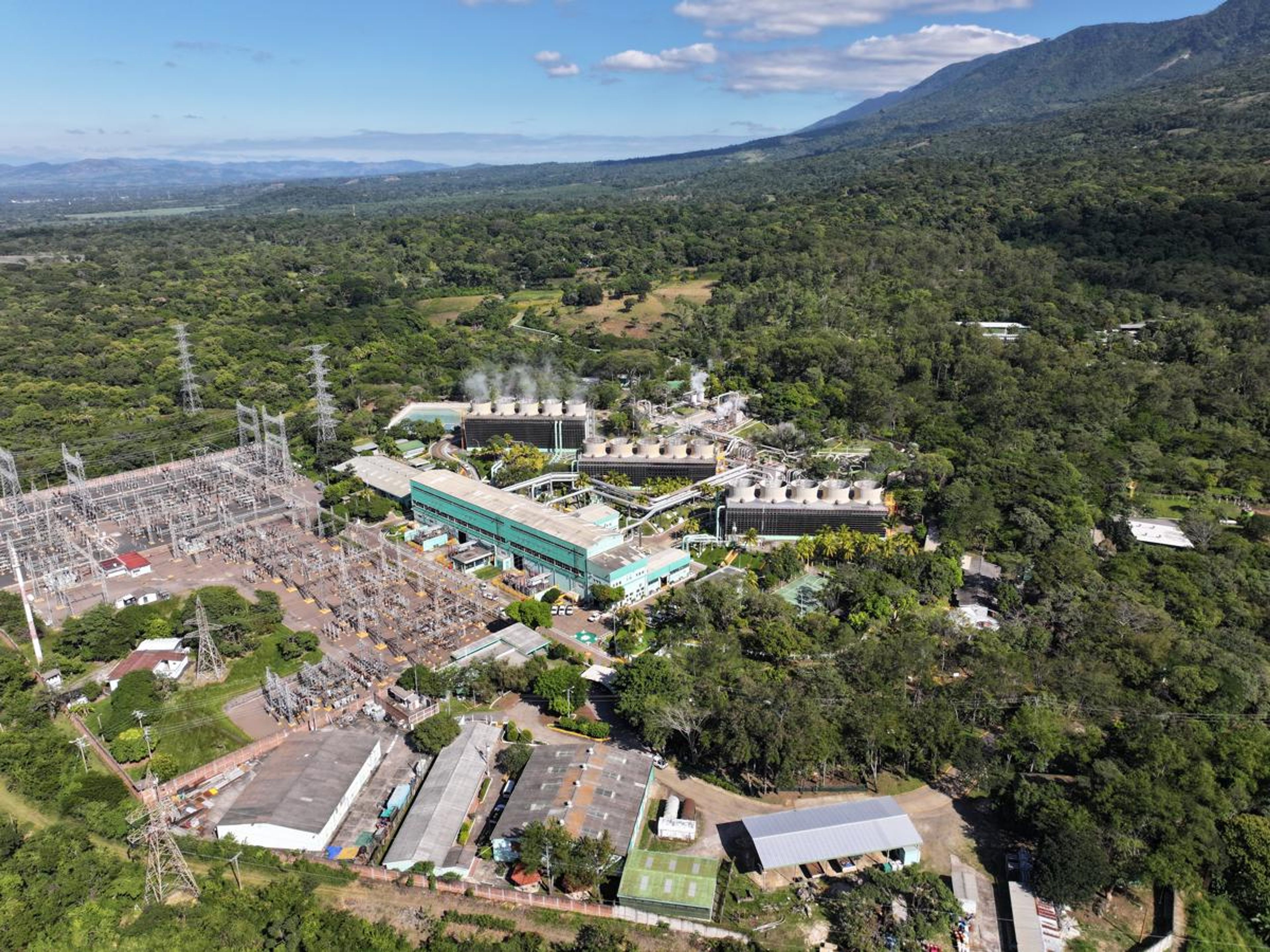
In the quest for sustainable and renewable energy sources, El Salvador stands out as a beacon of natural innovation and geographical fortune. Nestled in the heart of Central America, El Salvador has been tapping into the immense potential of geothermal energy, a clean, reliable, and sustainable power source. With installed nameplate capacity of over 200 MW providing over 20% of domestic electricity demand, the geothermal plants in Ahuachapán and Berlín are a pioneering force in utilizing the Earth's heat to meet modern energy needs.
What is Geothermal Energy?
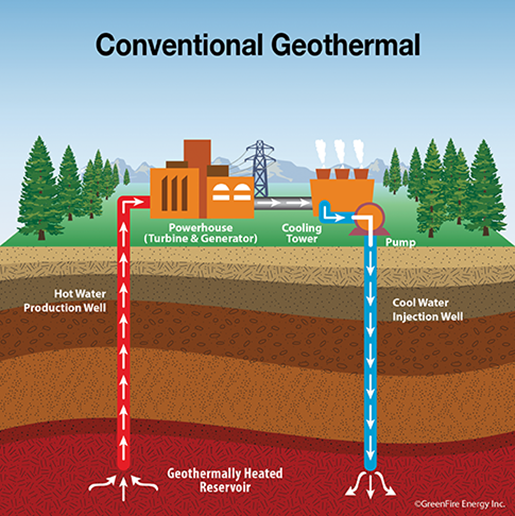
Geothermal energy is derived from the natural heat of the Earth, emanating from the planet’s core due to the radioactive decay of minerals and the original formation of the planet over four billion years ago. This heat can be harnessed from the Earth's crust in the form of steam or hot water, which can then be used to generate electricity.
This renewable energy source capitalizes on the naturally occurring heat beneath the Earth's surface, tapping into underground reservoirs of hot water and steam, which can be up to thousands of feet below. Unlike wind and solar power, which are intermittent by nature, geothermal energy provides a steady supply of power and operates independent of weather conditions or time of day, making it a highly reliable source of energy.
How Does Geothermal Energy Work?
The process of harnessing geothermal energy involves drilling wells into geothermal reservoirs to access the heat beneath the Earth's surface. There are several types of geothermal power plants, each utilizing the Earth's heat in different ways:
- Dry Steam Power Plants: The most direct method, where steam from the ground is used directly to turn a turbine and generate electricity.
- Flash Steam Power Plants: These use geothermal reservoirs of water with temperatures greater than 360°F (182°C). The hot water is pumped under high pressure into a tank at the surface. The drop in pressure causes the fluid to quickly turn into steam, which is then used to drive a generator’s turbine.
- Binary Cycle Power Plants: These are suitable for lower temperature reservoirs. The hot water is passed through a secondary fluid with a lower boiling point than water. The secondary fluid is vaporized to turn the turbine. This is a closed-loop system, minimizing emissions.
The choice of plant technology depends on the temperature and pressure of the geothermal resource. The resultant power is clean and sustainable, with geothermal plants having a minimal carbon footprint compared to conventional fossil fuel power sources.
Geothermal Energy in El Salvador: Ahuachapán and Berlín
El Salvador's location on the Pacific Ring of Fire gives it a natural advantage when it comes to geothermal energy. The tectonic activity that characterizes this region results in significant geothermal resources, making geothermal energy a key asset for the country’s energy matrix.
Ahuachapán Geothermal Plant
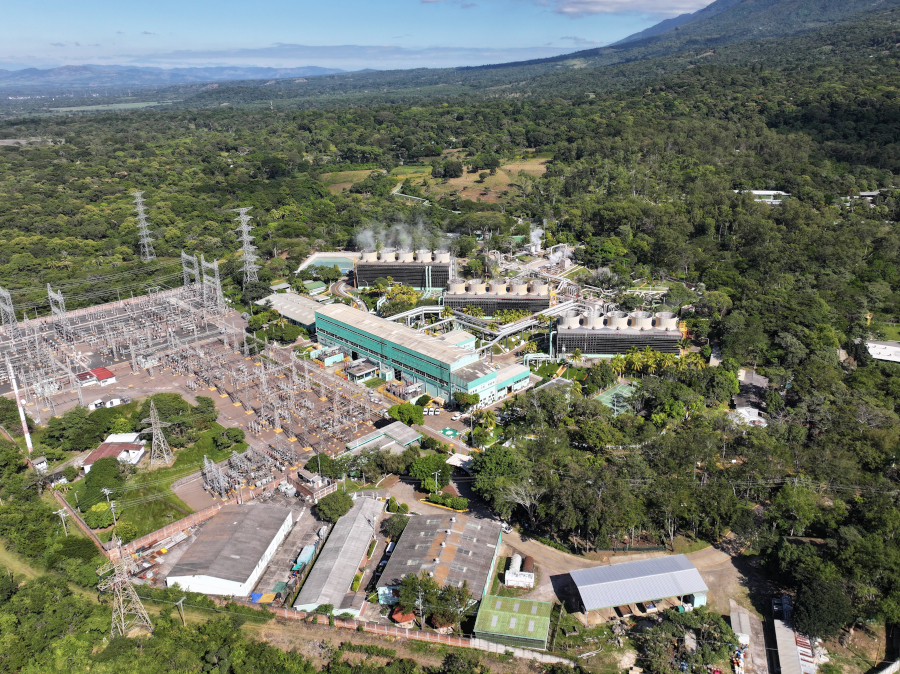
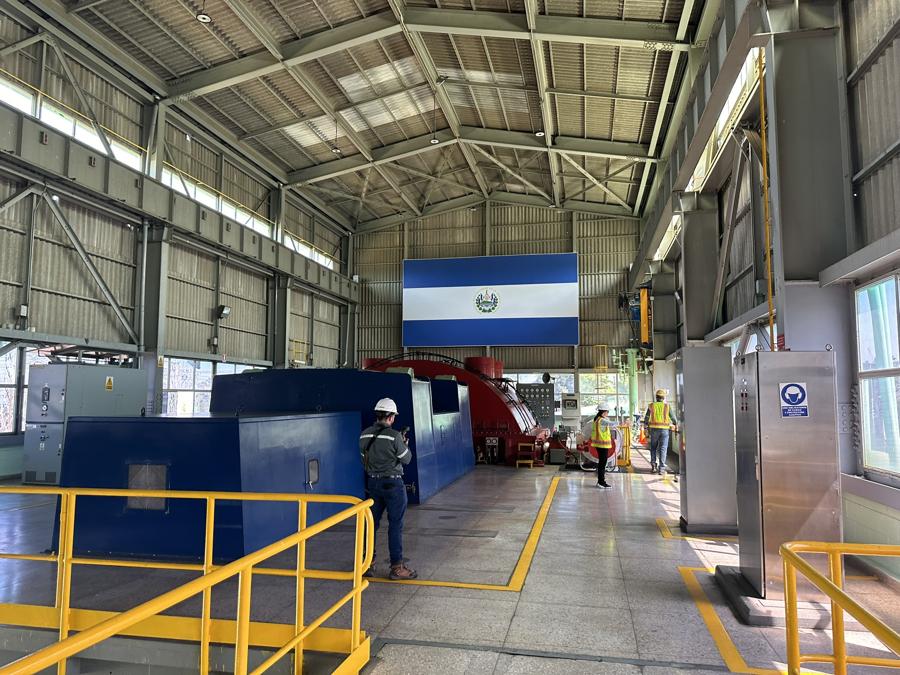
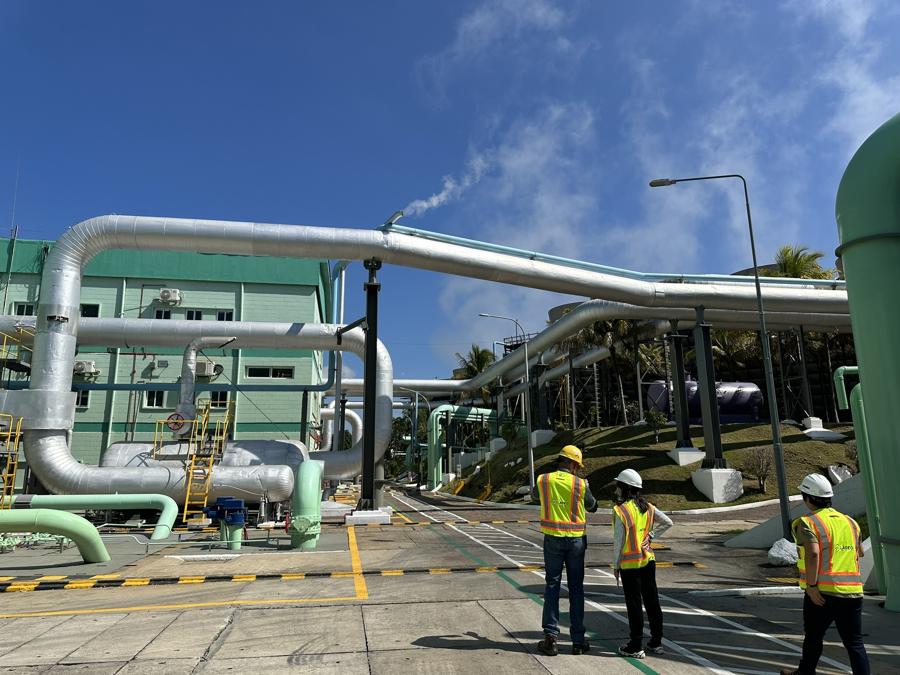
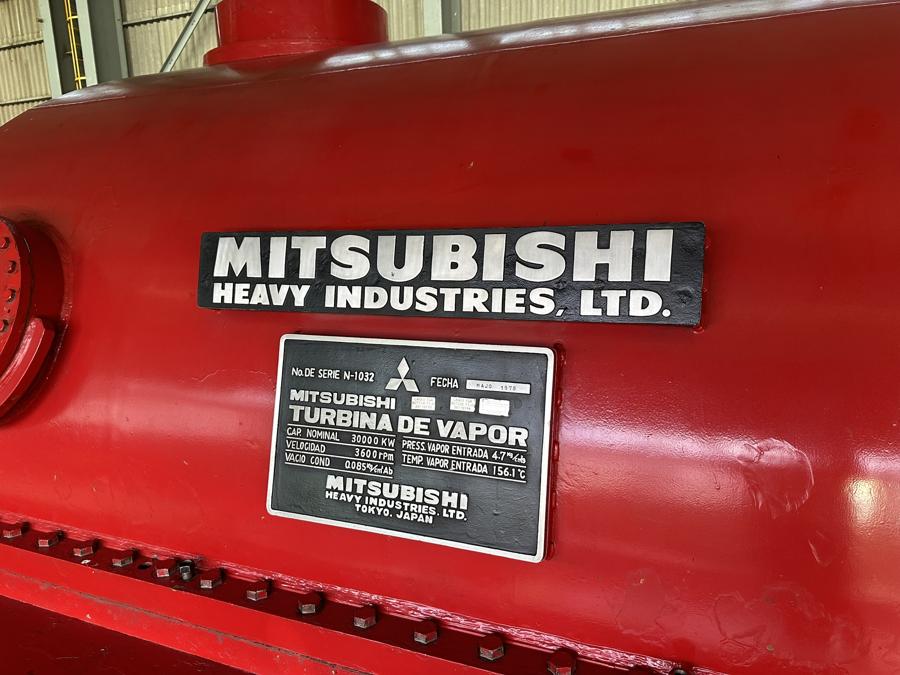
Opened in 1975, the Ahuachapán Geothermal Plant is one of the oldest and most significant geothermal energy installations in El Salvador. Situated in the western part of the country, it’s a flagship project that showcases the potential of geothermal energy. Today, the Ahuachapán geothermal plant has 95 megawatts of installed nameplate capacity, consisting of three Fuji turbines (two 30 MW and one 35 MW).
The Ahuachapán plant has gone through various stages of development and upgrades over the years to enhance its capacity and efficiency. Currently, it contributes a significant portion to the country's energy supply, pushing El Salvador towards energy independence and stability. Ahuachapán’s successful utilization of dry steam technology represents a critical stride in harnessing clean energy directly from the Earth’s heat.
Berlín Geothermal Plant
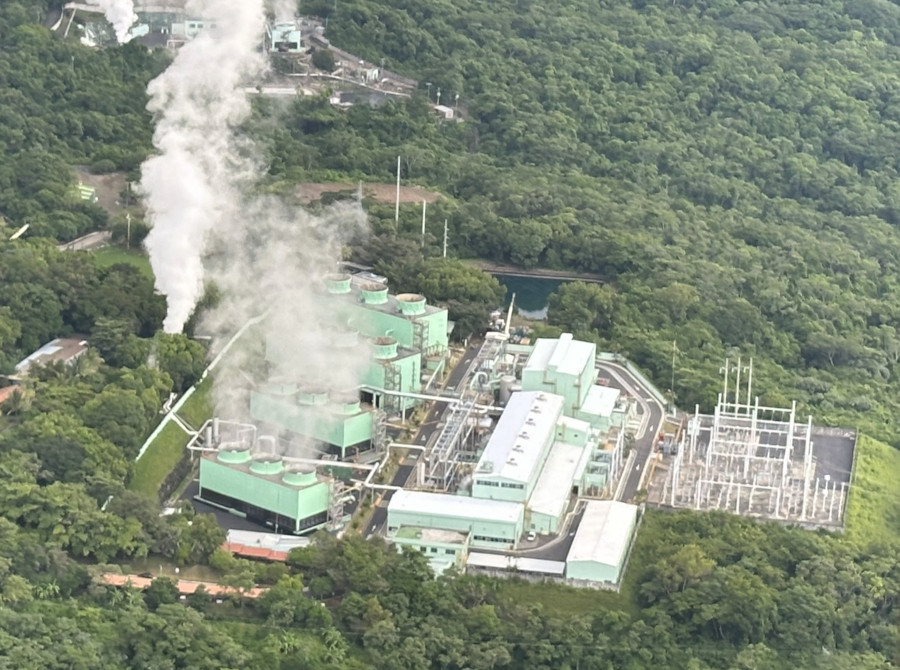
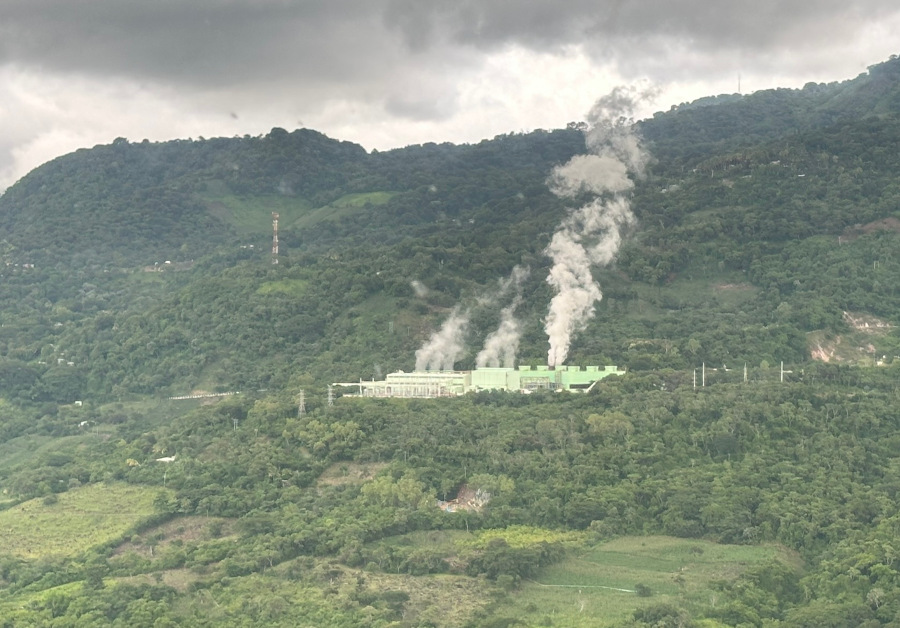
Located in the Usulután Department, the Berlín Geothermal Plant started operations in 1992 and has since become a cornerstone of El Salvador’s commitment to renewable energy. It features both flash steam and binary cycle technologies, allowing it to harness energy from both high and moderate temperature water sources.
The Berlín plant has seen continuous investment and upgrades, increasing its capacity and efficiency. It not only plays a critical role in providing renewable energy for El Salvador but also serves as a model for geothermal developments globally due to its innovative approaches and achievements in sustainable energy practices.
Expansion Potential
With over 170 volcanoes, El Salvador has one of the highest densities of volcanic activity in the world. In 2007, El Salvador determined that potential geothermal capacity in the country is about 450 MW. Expansion plans could result in 183 MW additional nameplate capacity, with potential projects to be developed in Ahuachapán, Berlín, San Vicente, and Chinameca.
The Advantages of Geothermal Energy
Geothermal energy boasts several advantages over other energy sources, making it a critical component of a sustainable future:
- Environmental Impact: As a clean and renewable source, geothermal power produces far fewer emissions than fossil fuel-based energy sources. The minimal land and water footprint further enhance its environmental credentials.
- Reliability: Geothermal plants provide a stable base-load power supply, unlike solar or wind energy, which depend on the weather. This reliability makes it an excellent backbone for a renewable energy portfolio.
- Efficiency: Geothermal power plants boast high efficiency, often reaching over 90% utilization of the geothermal resources, minimizing waste and maximizing output.
- Economic Benefits: Aside from reducing a country's dependence on imported fuels, geothermal energy projects create jobs, spur local economic development, and provide long-term energy price stability.
- Longevity: Geothermal plants are known for their long operational life, often exceeding several decades with proper maintenance and resource management.
Bitcoin Mining
Since 2021, the Berlín Geothermal Plant in El Salvador has used approximately 1.5 MW to mine Bitcoin as part of a broader government initiative to support Bitcoin adoption in the country. As of May 2024, El Salvador mined 474 Bitcoin worth $29 million using volcano geothermal energy. Bitcoin mining requires substantial computational power, and consequently, a significant amount of electricity, making energy costs one of the most critical factors in mining operations. By harnessing the renewable and continuous energy output of the Berlín Geothermal Plant, Bitcoin miners can operate in a more sustainable manner without using dirty fossil fuels. This synergy not only provides a steady and environmentally friendly energy source for mining operations but also aids in addressing the global concern of Bitcoin's carbon footprint by utilizing a clean, renewable energy source.
Moreover, the collaboration between the Berlín Geothermal Plant and Bitcoin mining enterprises highlights El Salvador's forward-thinking approach to both energy use and economic growth. As the first country to adopt Bitcoin as legal tender, El Salvador is positioning itself as a hub for cryptocurrency innovation and integration. By integrating Bitcoin mining within the infrastructure of the Berlín Geothermal Plant, the country is tapping into its geothermal potential to drive technological advancement and attract foreign investment. This initiative not only reinforces El Salvador’s commitment to renewable energy but also underscores its ambition to be at the forefront of the global digital economy through sustainable practices.
El Salvador's geothermal Bitcoin mining was recognized in the recent movie Dirty Coin. The Bitcoin movement in El Salvador started at El Zonte, also known as Bitcoin Beach.
LaGeo
LaGeo is a central player in El Salvador's geothermal landscape, tasked with the crucial responsibility of managing the country’s prominent geothermal plants, including those in Ahuachapán and Berlín. As a state-run enterprise, LaGeo is a subsidiary of the CEL (Comisión Ejecutiva Hidroeléctrica del Río Lempa), which focuses on harnessing El Salvador's rich geothermal resources to deliver sustainable and reliable energy. Under LaGeo’s management, these geothermal plants are operated with an emphasis on efficiency, sustainability, and technological advancement, ensuring that the geothermal resources are tapped responsibly and effectively.
LaGeo’s management strategy involves rigorous resource assessment, innovative technological adoption, and environmental stewardship. By conducting detailed geological surveys and investing in state-of-the-art technology, LaGeo ensures optimal utilization of geothermal energy while minimizing environmental impact. The company also collaborates with international energy agencies and research institutions to continually improve its operational practices and embrace cutting-edge geothermal advancements. Additionally, LaGeo is committed to fostering local community engagement, ensuring that the benefits of geothermal energy, from job creation to stable energy supplies, are shared with the communities surrounding the Ahuachapán and Berlín plants. Through these multidimensional management approaches, LaGeo not only enhances El Salvador's energy security but also cements its role as a leader in sustainable energy in Central America.
Conclusion
El Salvador’s geothermal energy journey exemplifies how natural endowments, coupled with strategic investments and innovative technology, can drive a nation toward a sustainable energy future. The geothermal plants in Ahuachapán and Berlín not only provide reliable and clean energy but also position El Salvador as a leader in renewable energy in Central America.
As global energy demands continue to rise, geothermal energy represents a promising solution to achieving a sustainable, low-carbon future. By harnessing the Earth's heat, we have the power to meet our present energy needs without compromising the environment for future generations. El Salvador’s success story serves as a powerful reminder of the potential of geothermal energy and the crucial role it can play in global energy transformation.